What is Meningitis?
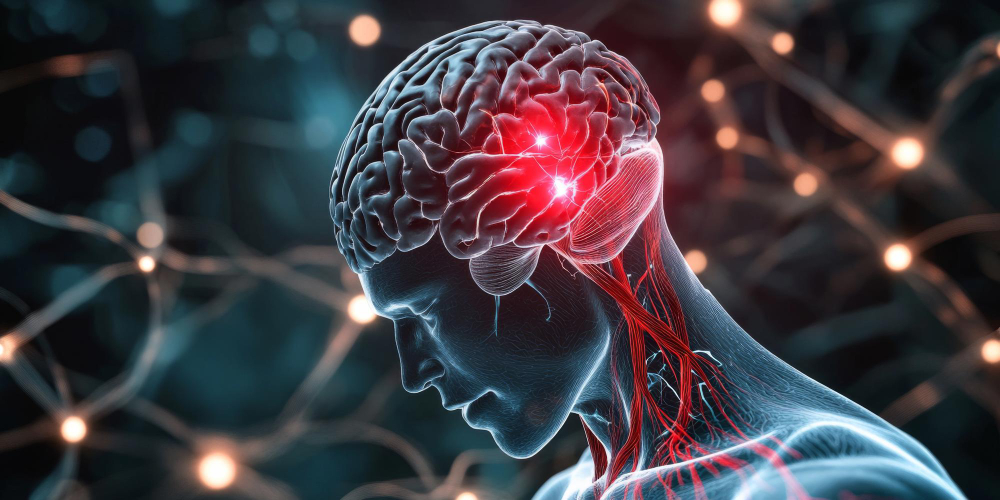
Meningitis is a serious illness that affects the protective layers around the brain and spinal cord. These layers are called the meninges. When they become inflamed, it can cause severe health problems. Early signs of meningitis can appear quickly, so knowing what to look for is important. According to the CDC and WHO, meningitis can affect people of any age, but some groups are at higher risk.
Common Symptoms of Meningitis
Recognizing meningitis symptoms early can save lives. While symptoms may differ by age, some are common in most cases. For example, children and adults often have similar signs. However, babies may show different symptoms.
Because symptoms can appear suddenly, it is important to seek help right away if you notice these signs.
Causes and Risk Factors
Meningitis can be caused by different germs. Most often, bacteria or viruses are to blame. Sometimes, fungi or other causes are involved. Bacterial meningitis is usually more serious than viral meningitis. However, both types need quick attention.
Some risk factors increase your chance of getting meningitis:
Because some causes are contagious, close contact with an infected person can also raise your risk.
How Meningitis is Diagnosed
Doctors use several steps to diagnose meningitis. First, they ask about your symptoms and medical history. Next, they perform a physical exam. Often, they check for neck stiffness and other signs.
To confirm the diagnosis, doctors may order tests such as:
Because early treatment is vital, doctors often start care before all test results are back.
Treatment Options
Meningitis treatment options depend on the cause. For bacterial meningitis, doctors use antibiotics right away. Sometimes, they add other medicines to reduce swelling or prevent complications. Viral meningitis often gets better on its own, but doctors may give fluids, pain relievers, and rest. In some cases, antiviral drugs are needed.
For fungal meningitis, doctors use special antifungal medicines. Because treatment can be complex, hospital care is often needed. Early treatment improves the chances of a full recovery.
Prevention Tips and Lifestyle Guidance
There are several ways to help prevent meningitis. Vaccines protect against many types of bacterial and viral meningitis. The CDC and WHO recommend staying up to date with all vaccines.
Because some types of meningitis spread easily, good hygiene and vaccination are key to staying safe.
When to Seek Medical Help
If you notice early signs of meningitis, act quickly. For example, a sudden high fever, stiff neck, or confusion are warning signs. In babies, look for poor feeding or a bulging soft spot. Because meningitis can get worse fast, do not wait to see if symptoms improve. Instead, contact a healthcare provider right away.
If you or someone you know shows symptoms of meningitis, consult Dr. Yogeshvar G for personalized advice.