What is Stroke Recovery?
Stroke recovery is the process of healing and regaining abilities after a stroke. A stroke happens when blood flow to the brain is blocked or a blood vessel bursts. Because of this, brain cells can get damaged. Recovery focuses on helping people get back lost skills and improve their daily life. For many, the stroke recovery process takes time and patience. However, with the right care, many people see progress. Each person’s journey is unique, but support and treatment can make a big difference.
Common Symptoms After a Stroke
After a stroke, people may notice changes in their body or mind. These symptoms can vary, but some are more common. Early recognition helps in planning the right stroke recovery steps. For example, some people have trouble speaking, while others may feel weak on one side.
Because symptoms can change over time, regular check-ins with a doctor are important.
Causes and Risk Factors
Strokes can happen for different reasons. Most strokes are caused by a blocked blood vessel in the brain. Others happen when a blood vessel bursts. Understanding the causes helps with stroke recovery and prevention. Some risk factors can be changed, while others cannot.
Because some risks can be managed, healthy habits play a big role in recovery and prevention.
Diagnosis and Assessment
Doctors use several tests to diagnose a stroke and plan stroke recovery. Early diagnosis is key to better outcomes. For instance, a brain scan can show where the stroke happened. Other tests help find the cause and check for other health problems.
After diagnosis, doctors create a stroke recovery plan based on each person’s needs.
Treatment Options for Stroke Recovery
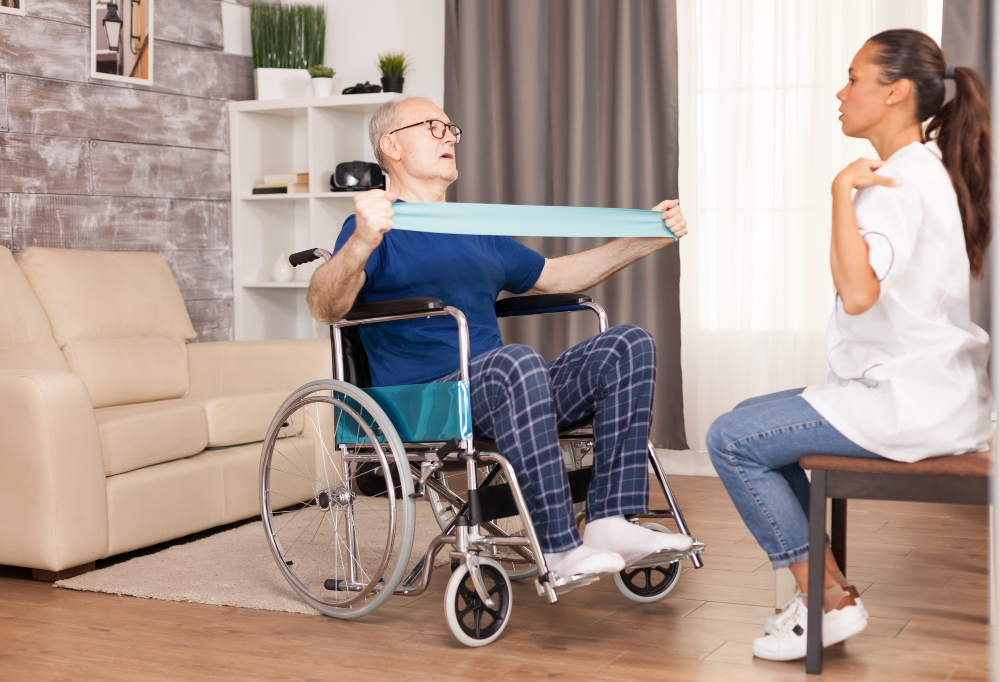
Stroke recovery often includes different treatments. Early treatment can improve the chances of regaining function after stroke. Doctors and therapists work together to help patients reach their goals. Some treatments start in the hospital, while others continue at home or in rehab centers.
Because every stroke is different, treatment plans are tailored for each person. Regular follow-ups help track progress and adjust care as needed.
Lifestyle Changes and Rehabilitation
Making healthy lifestyle changes supports stroke recovery and lowers the risk of another stroke. Rehabilitation after stroke is a key part of this journey. For example, eating a balanced diet and staying active can help the brain heal. Support from family and friends also makes a big difference.
Because recovery can be slow, staying positive and patient is important. Small steps add up over time.
Tips for Preventing Another Stroke
Preventing another stroke is a big part of the stroke recovery process. Simple changes can lower your risk. For instance, checking your blood pressure often helps catch problems early. Here are some helpful stroke recovery tips:
Because prevention is ongoing, make these habits part of your daily routine.
Support and Resources for Patients and Families
Stroke recovery is easier with support. Many local and online groups offer help for patients and families. For example, the American Stroke Association and local hospitals provide education and counseling. Connecting with others can boost hope and motivation.
Because every journey is different, finding the right support can make recovery smoother.
Remember: Stroke recovery takes time and teamwork. Consult Dr Yogeshvar G. for a plan that fits your needs. Early action and support can help you regain function and enjoy life again.